If you’re waiting for the dysfunctional relationship bit please hold on. But first East Timor, or Timor-Leste as it is now more commonly known, half an island in Southeast Asia, about 400 miles North West of Darwin, Australia. Despite its proximity to Australia, it is a world apart. I have not visited since the year 2000 when I worked there with Oxfam for six months but the experience left a lasting impression on me. Firstly the landscape is beautiful, which seems at odds with the country’s recent history, as I attempted to capture in Indelible Scars:
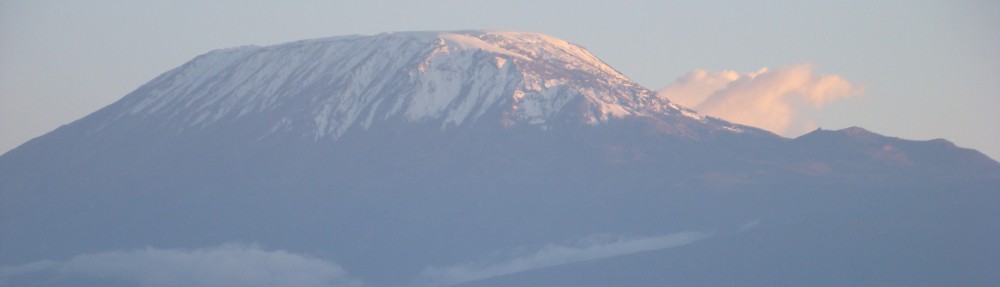
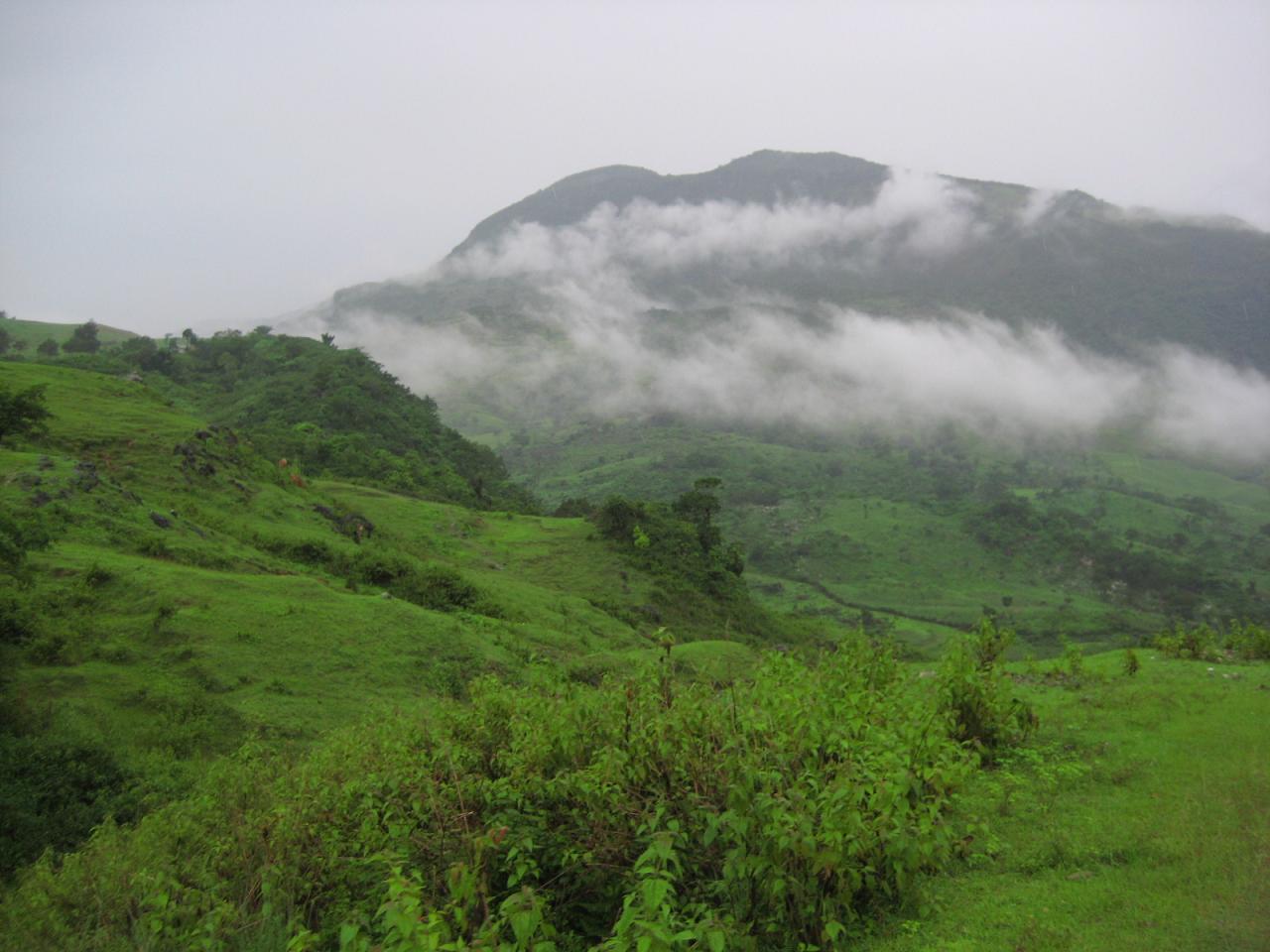
“The road meandered high into the mountains and the sky was crystal clear, making it possible to see far along the coastline to the south and east, and to make out the numerous peaks of the mountain range to the north. It was a beautiful country: so lush and green, covered with tropical palms and ferns; the distant mountains shimmering blue, floating puffs of cumulus clinging to their slopes.
They trundled past nonchalant horses grazing by the roadside and deserted houses with neat flower gardens of vibrant oranges, reds and yellows. More than once they had to slow down to bypass a scrawny dog stretched out in the middle of the road. Joe was struck by the number of memorial crosses that lined the road and dotted the hillsides, constant reminders of the faith and fate of the people.“
East Timor was colonised by Portugal in the 16th century and is a Roman Catholic country in an Islamic archipelago, namely Indonesia. Consequently, it has always been an outlier in the region, which is one of the reasons it has had a troubled history, at least in the second half of the 20th century. In November 1975, East Timor unilaterally declared its independence, but just a few weeks later in December 1975 it was invaded and occupied by Indonesia. Supposedly, the Indonesian government and its allies were fearful of an independent communist state in the region. Indonesia’s occupation of East Timor was typified by brutality and violence. It is estimated that more than 100,000 people were killed or died as a result of the occupation between 1974 and 1999. That equates to approximately one third of the population: proportionally more than were killed in Pol Pot’s genocide in Cambodia. Shockingly and sadly, Western powers were complicit in the Indonesian atrocities in East Timor: the USA effectively gave the green-light to the initial invasion and the UK became the biggest provider of arms to the Suharto regime.
Following the resignation of Indonesian President Suharto, a UN-supervised referendum on independence took place in August 1999, resulting in 78.5% of the population voting in favour of independence. This was met with a punitive campaign of violence by East Timorese pro-integration militia with the support of elements of the Indonesian military. An Australian-led international peacekeeping force was deployed and the administration of East Timor was taken over by the UN through the United Nations Transitional Administration in East Timor (UNTAET) in October 1999. I arrived in the country in November 1999. Fortunately, the worst of the violence was over by then, as the militia had largely retreated into neighbouring Indonesian West Timor, but there was still an atmosphere of tension and uncertainty and some isolated incidents continued. The defining issue of that time was the unearthing of atrocities, such as massacres and mass graves. I recall distinctly how most of the towns and cities had been virtually razed to the ground, buildings destroyed or burned:
“On reaching the highest point of the town, he climbed the water tower and surveyed the settlement spread out below him. From this vantage point the destruction was more apparent than ever. The town itself was little more than a blackened shell, a patchwork of broken buildings and discarded aspirations. He wondered what led people to wreak such havoc. What does anybody gain from such actions? How can they not consider the lives of those affected? He gazed towards the distant coastline and marvelled at the discordant juxtaposition of natural beauty and man-made carnage.”
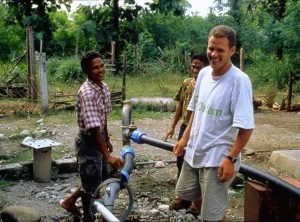
Despite all this, the Timorese people I worked with were truly amazing in their resiliency, humour and warmth. Most of them spoke only Tetum (known as ‘the language of resistance’ during the Indonesian occupancy) so communication was an issue, and yet we laughed a lot, became very accomplished at monosyllabic exchanges accompanied by sign language, and we parted as friends. I recall how every single staff member insisted on coming to the airport to see me off when my contract came to an end (although perhaps that was because they wanted to make sure I actually left!). I am proud of what we achieved together in rehabilitating water systems so that the population had access to safe water in that all too turbulent time. East Timor has now been a sovereign state for over a decade and has gradually found its own political and social stability. Vast offshore oil and gas fields in the Timor Sea offer the economic stability it also needs. I still have very fond memories of my time there and hope sincerely that I will return one day and be reunited with some of my former colleagues.
 The Nodding Lizard