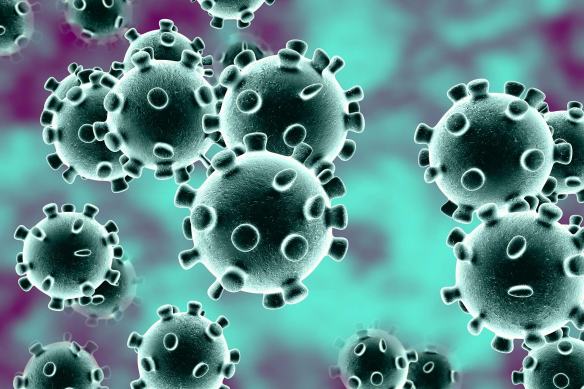
 In just a few weeks, Coronavirus has managed to achieve what climate change protesters have failed to in years: air travel has been cut drastically; pollution-belching industries in China have closed; fewer cars are on the roads; no one is travelling to sporting and entertainment events; far less people are going out to restaurants and bars.
No sooner had travel bans been announced than we heard of the threat to airlines and their possible collapse. Political leaders warned of the impact on economic growth and expected economic downturns. Our economies are so dependent on unfettered consumerism that just a few weeks, or few months, of disruption threatens to bring the entire house of cards crashing to the ground.
Epidemiologists the world over highlight the need for social distancing to avoid the rapid spread of the virus, especially to protect the most vulnerable in our societies. And yet, we hear some suggest that we should carry on as normal. ‘It’s just like the flu,’ we hear. ‘It only affects the old, so why should I be worried?’ Have we bought into the notion of the individual to such a degree that we truly believe that there is no such thing as society?
Perhaps this could be an opportunity for us all to realise that we don’t really need to travel so often. That we don’t really need to spend so much on entertainment. That we don’t really need to buy all those clothes, gadgets or toys.
Perhaps we can take this as an opportunity to campaign for shorter working hours and shorter working weeks, so that we can spend more time with our friends and families. So that we can give our children the attention they so desperately crave, rather than thrust a digital device into their hands.
Perhaps we can use this as a catalyst for more flexible family-friendly working policies, such as working from home or working alternative hours. Perhaps this will remind us all that there is so much more to life than work.
Perhaps we can wake up to the fact that we are each a part of wider communities: our local community, including those more vulnerable than us; our national community, which is dependent on good governance and the need for us to elect wise, benevolent leaders; our global community, in which we are all interdependent in many more ways than we realise.
Perhaps we will come to value those who calmly provide essential services, such as health professionals, delivery drivers and supermarket staff, more than those who hedge and speculate on irrational stock markets governed by rumour and panic.
As the unsustainable quest for indefinite economic growth pushes our planet to the brink, perhaps it is time to reevaluate the entire economic model on which our world is built. We are brainwashed to believe that this is the only model we have, that the alternative is communism, but this is clearly not the case. Every year we lament that the gap between the rich and poor has grown and yet the model itself is built on the very premise that the rich will get richer. It is their ‘growth’ that we are fueling. Thatcher’s ‘trickle down economics’ has been thoroughly debunked, including by no less than the International Monetary Fund. There are more just, more equitable and more sustainable alternatives that can ensure a reasonable quality of life for all. If we weren’t all so worried about what we might ‘lose’, we would have found them long ago.
Perhaps now is the time for us all to join together and fight back at the system. Because if we don’t, then nature will have to do it for us. It will be left to the bush fires to fight back, the floods to fight back, the droughts and famines to fight back, the bacteria and viruses to fight back.
Perhaps this is the best opportunity we have ever had. If only we have the courage to take it.
 The Nodding Lizard